

The Genius of Gary Moore
Gary Moore never needed a flashy persona or a gimmick to capture attention. All he had to do was pick up a guitar. With a fierce blend of precision, soul, and firepower, Moore could deliver incredible solos that stopped listeners in their tracks and ballads so emotionally raw they felt like confessions. Though he’s often been regarded as a “guitarist’s guitarist,” his legacy extends far beyond technical prowess. Moore’s genius lies not just in how he played, but in what he chose to say with every note. For those who love guitar-based music, his name carries the weight of authenticity.
Early Life and Musical Roots
Born in Belfast, Northern Ireland, in 1952, Moore was immersed in music from an early age. He was left-handed but learned to play guitar right-handed, a decision that would lead to his famously aggressive picking style. By his teens, he was already turning heads with his blazing guitar work. Influenced by Peter Green, Eric Clapton, and Jimi Hendrix, Moore absorbed the emotional depth of blues and combined it with the sheer force of rock. His early exposure to both British and American blues records helped lay the groundwork for his genre-bending style.
From Skid Row to Thin Lizzy
His early career saw him joining Skid Row (the Irish version, not the glam metal band), where he was already showcasing the kind of technical fireworks that would become his signature. But it was his time with Thin Lizzy in the 1970s that gave Moore broader exposure. Though his tenure with the band was brief and intermittent, his contributions were unmistakable. He added a rawness and edge to tracks like “Still in Love with You” and “Black Rose,” meshing his expressive style with Phil Lynott’s gritty songwriting. Moore’s ability to blend seamlessly with other musical personalities highlighted his flexibility as a musician.
Gary Moore’s Ascension as a Solo Artist
Moore’s solo career exploded with the release of Corridors of Power in 1982. The album highlighted his ability to fuse melodic hard rock with blistering solos, laying the groundwork for a decade of genre-defying material. While many artists were chasing trends in the ‘80s, Moore carved his own path. Albums like Victims of the Future, Run for Cover, and Wild Frontier expanded his reach while retaining his distinctive voice. He could move from metal-infused anthems to Celtic-tinged epics, always anchored by passionate guitar playing. These albums also showcased Moore’s underrated vocal abilities, which often took a backseat to his guitar work.
The Blues Breakthrough with Still Got the Blues
But 1990 marked a turning point with the release of Still Got the Blues. This was no mere genre experiment; it was a homecoming. Abandoning the flash of hard rock for the depth of traditional blues, Moore tapped into something deeper. The title track became his signature song, filled with aching vibrato and emotional gravity. The album featured appearances by blues legends like Albert King and Albert Collins, a passing of the torch that affirmed Moore’s authenticity in the genre. It became his most commercially successful album and introduced him to an entirely new audience. The album also reinvigorated mainstream interest in blues at a time when the genre was increasingly marginalized.
Sincerity Over Strategy
What made Moore’s transition to blues so compelling was its sincerity. This wasn’t a calculated move to stay relevant. Moore poured himself into the music, drawing on personal heartbreak and reflection. Albums like After Hours, Blues for Greeny (a tribute to his mentor Peter Green), and Power of the Blues further solidified his place in modern blues history. He honored the roots of the genre while injecting his own fire and finesse. Unlike some artists who dabble in blues for artistic credibility, Moore lived and breathed the style with complete emotional investment.
Emotion in Every Note
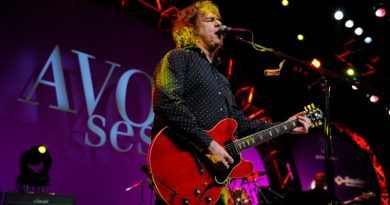
One of Moore’s defining qualities was his emotional honesty. His solos weren’t just technically impressive; they told stories. He could make a Les Paul weep, scream, or roar depending on the song’s emotional temperature. His control over dynamics and tone allowed him to move between tenderness and ferocity in a single phrase. Listen to tracks like “Parisienne Walkways” or “Empty Rooms” and you’ll hear a master communicator channeling grief, longing, and hope through six strings. The vulnerability in his playing made audiences feel like they were part of his personal journey.
A Style All His Own
While Moore was often compared to players like Clapton or Beck, his style was uniquely his own. He followed his muse, even when it meant abandoning successful formulas. He didn’t chase trends; he chased truth. That commitment is what gives his catalog such lasting power. Moore wasn’t afraid to evolve, and that evolution kept his music from ever becoming stale or repetitive.
Powerhouse on Stage
Live, Moore was a force of nature. He didn’t need pyrotechnics or stage theatrics. His fingers did the talking. Whether headlining solo tours or playing alongside legends, he brought an intensity that made each performance unforgettable. He was as comfortable tearing through a blazing rendition of “Walking By Myself” as he was delivering a hushed, heartfelt “Still Got the Blues.” Concertgoers often left his shows feeling emotionally drained in the best possible way, knowing they had witnessed something truly authentic.
Hard to Categorize, Impossible to Ignore
Moore’s versatility often led to him being overlooked by mainstream media. He could shred with the best of them, but he could also break your heart with a single note. That range made him hard to categorize, but it also made him timeless. In an industry that often rewards simplicity, Moore embraced complexity and he did it without ever losing the listener. His genre-fluid approach ultimately kept him from being boxed into a single fan base, allowing his music to connect across multiple audiences.
Still Exploring Late in Life
Even in his later years, Moore never lost his edge. Albums like Back to the Blues and Bad for You Baby found him reinvigorated, still exploring, still pushing. He remained a student of the craft, always looking to deepen his expression. There’s a rawness to his late-period work that makes it some of his most compelling. In fact, some fans believe these later albums represent the purest distillation of his blues passion, stripped of commercial pressures and fully focused on storytelling.
A Legacy That Lives On
Gary Moore passed away suddenly in 2011, leaving behind a legacy that is still being unpacked. He didn’t dominate headlines, but he left a major mark on music. His work remains a masterclass in expression, power, and grace. For those who dig deeper than the charts, Moore’s genius is undeniable. Posthumous reissues and tribute concerts continue to attract new fans, ensuring that his influence won’t fade with time.
In the years since his passing, tributes have poured in from around the world. Guitarists of all styles have paid homage, and fans continue to discover the emotional depth and technical brilliance of his work. From Ireland to Memphis, from stadiums to small clubs, Gary Moore left a trail of inspiration that refuses to fade. As digital platforms introduce his music to new listeners globally, Moore’s catalog finds fresh relevance in each generation.
His influence is far-reaching. Modern guitarists like Joe Bonamassa and Orianthi have cited Moore as a major inspiration. His fearless blend of blues and rock, his emotional vulnerability, and his technical brilliance continue to inspire new generations of players. You can hear echoes of Moore’s phrasing in countless modern solos, his spirit in every guitarist who chooses honesty over flash. His music has also been sampled, covered, and referenced by artists across genres, from metal to jazz, highlighting his cross-genre impact.
Why Gary Moore Still Matters
What makes his genius resonate in 2025 is its honesty. In an era where much of music is polished and algorithmic, Moore’s raw expression feels more vital than ever. He didn’t play for likes or trends. He played because he had something to say. And every note he played said something worth hearing. That kind of emotional truth remains a rarity, making his artistry even more essential today. There have been multiple posthumous releases since Moore’s death, including Gary Moore Live – From Baloise Session in 2025.
Gary Moore wasn’t just a blues rock guitarist. He was a storyteller, a sonic architect, and a relentless seeker of truth through music. His songs live on not just because of their craftsmanship, but because of their soul. And that’s the kind of genius that never goes out of style. His legacy is a reminder that greatness isn’t always about fame, it’s about depth, honesty, and the courage to follow your own sound.

I believe he is one of the greats better than clapton he would be up there with beck and hendrix i have seen him play with skid row thin lizzy and also solo his playing took your breadth away
Better than Clapton? Up there with Hendrix?. Maybe in an alternate universe. He was very good, no doubt. But you’re really out there on a limb with that hyperbolic opinion. Yes, music is personal and subjective, but there are facts and objective truths that don’t back that claim.
I agree with you. Clapton was at his peak with the Bluesbreakers, Cream, and Blind Faith. IMHO, his soloing skills diminished drastically after that. Hendrix was great and played with a passion and fire we’d never seen before. But he didn’t have the technical capabilities that Gary Moore had. I hate to make comparisons, but I think he’s the best ever. I think many people hold on to their first impressions and never let go of those.
To prove that assertion or at least give very strong credence to it, all one has to do is watch his live cover of “The Messian Will Come Again”:
https://www.youtube.com/watch?v=7k07j7LcLqw
Arguably the greatest live guitar performance of all time.
IMHO, Gary is the GOAT.
Gary Moore is a legendary guitarist. He played & sang with such passion! He would have become so much more widely known if he had lived. He is one of the greatest blues guitar players who ever lived!!
The ballads and blues album was my constant companion during heartache and pain.It really pulled me through
I first heard Gary Moore Back on the Streets album and was shocked at his guitar playing. From there was Colosseum Ii. Jon Hiseman had a huge influence on Gary’s life and his guitar playing showed. Such an underrated guitarist at that time. He grew from there into what he became. His music speaks for itself. I was fortunate to see him play live in Austin Texas
To prove that assertion or at least give very strong credence to it, all one has to do is watch his live cover of “The Messian Will Come Again”:
https://www.youtube.com/watch?v=7k07j7LcLqw
Arguably the greatest live guitar performance of all time.
IMHO, Gary is the GOAT.
I was late to the Gary Moore show. Didn’t really listen to him until about 10 years ago when a friend who knew I was a Clapton fan gave me a copy of Still Got The Blues. For 3 years i basically listened to no one else. Collected a bunch of albums. Still listen alot. Bonnamassa and Gallagher are my other 2. But Gary is the top for me.