Morgan Freeman’s Symphonic Blues Experience Review
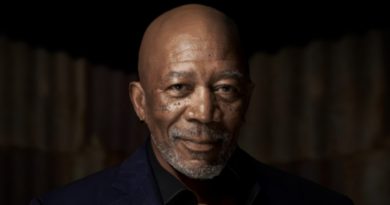
There is something about hearing Morgan Freeman talk about the Mississippi Delta that makes you stop and listen. That voice is familiar to just about everybody, but the connection behind it goes much deeper than Hollywood. Freeman grew up with this music, helped open Ground Zero Blues Club in Clarksdale in 2001, and has spent years putting his name and energy behind the people who keep the blues alive. Now he has taken that commitment into the recording studio, bringing a Delta band and a full symphony orchestra together for one heck of a musical experience.
I have spent much of the past year talking with Delta musicians about the lives behind these songs. I have interviewed James ‘Super Chikan’ Johnson, Keith Johnson, and Ground Zero’s Tameal Edwards in depth. Those conversations keep bringing me back to the same thing: the blues came out of people doing their best to get through work, hardship, love, faith, and everything in between. That is the perspective I brought to this album, and it made listening to these 12 tracks even more meaningful.
Released August 14 on Decca Records and newly nominated for a Grammy for Best Traditional Blues Album, Morgan Freeman’s Symphonic Blues Experience runs about 44 minutes. The blues performances were recorded at Boo Mitchell’s Royal Studios in Memphis, while the Chineke! Orchestra recorded its parts at Abbey Road in London under conductor and arranger Martin Gellner. That could easily have turned into a crowded production. Instead, the orchestra generally knows when to step forward and, more importantly, when to leave the blues alone. You still hear the guitar strings, the grit in a singer’s voice, and the little pauses that make this music breathe.
The opening “Dark Was the Night, Cold Was the Ground” sets the mood beautifully. Freeman’s narration takes us into the Delta and the history carried in its music, while the orchestral backdrop hangs there like a cloudy night sky. Then Keith Johnson comes in with that plaintive, almost wordless vocal against Alvin Youngblood Hart’s guitar. It is eerie, gentle, and full of feeling. When I interviewed Keith in September, he told me, ‘Blues music is music from the land, man.’ You can hear exactly what he means here. There is pain in those notes, but hope and resilience are there too. What a way to start a record.
Then comes Robert Johnson’s “Crossroads”, and Super Chikan gives it his own funky, crooked little swagger. The strings stab at the rhythm, the woodwinds add color, and the whole arrangement gradually opens up without losing that simple Delta pulse. Chikan’s vocal sounds lived-in and unmistakably his. Alvin Youngblood Hart handles the guitar on this recording, finding the right places to cut loose while the bass keeps everything moving. In our conversation, Chikan talked about hearing rhythm in field work when he was young and learning on homemade instruments. That history is worth remembering when you hear him turn one of the most famous songs in the blues into something this fresh. He does not need to imitate anybody.
Taj Mahal takes Son House’s “Death Letter Blues” and puts some real weight behind it. The beat has that stomping quality the song needs, and Taj sounds like he feels every word. The strings sometimes slide and ache almost like another blues guitar, while the drums and organ give his vocal room to tell the story. Son House’s original is a tough act to follow. Taj respects the heartbreak without trying to copy the old performance, and the symphonic arrangement makes the song feel larger without cleaning away its rough edges.
Lady Adrena is up next with “Dust My Broom”, and I love hearing a woman take command of this one. Her delivery is direct, full of class and attitude, with a little of Susan Tedeschi’s power in those soaring notes. Hart’s guitar gives the familiar riff plenty of bite, Keith Johnson’s harmonica adds another blues voice, and the horns and backing instruments fill out the picture. When I spoke with Tameal Edwards, she pointed me toward Lady Adrena as one of the Mississippi artists I needed to know. After hearing this performance, I understand why. Every instrument seems to get its moment, but Adrena stays firmly in charge.
“The Thrill Is Gone” could have been the obvious choice that failed to surprise. B.B. King’s great recording already knew how to put strings around a blues guitar, so the challenge here was to bring something new without overdoing it. Alvin Youngblood Hart gets it right. His singing is smooth but carries the hurt, and his guitar has room to answer every phrase. The keys and orchestra move in and out gently, giving the song a little extra lift. I have heard this one a hundred ways, and this version earns its place.
As a Michigan guy, “Cadillac Assembly Line” hit me a little differently. Mack Rice’s song, made famous by Albert King, is about leaving cotton-picking country for the promise of an auto job up north. Keb’ Mo’ delivers it with a head-bobbing groove and a vocal that understands the longing underneath the funk. The strings build a creeping, almost uneasy feeling while the guitar and Wurlitzer keep the track warm and human. I thought about all the men and women who made that trip during the Great Migration, and the families who did not know what came next. Detroit is more than a place name in this song. It represents a chance at a different life.
Anthony ‘Big A’ Sherrod takes over for “Somebody’s Knockin’”, and here is another reason this album works: it makes room for the musicians who are carrying the blues right now. Big A has a terrific, soulful voice with plenty of authority, but he knows how to share the song. His guitar trades spaces with the Wurlitzer, the piano and the lower orchestral tones, and the groove stays loose. He grew up in Clarksdale learning from the musicians around him. You hear that foundation in his playing, but you also hear a man with his own sound. I have wanted to sit down and interview him for a while. Hearing these tracks makes me want that conversation even more.
“Traveling Riverside Blues” is one of my favorites on the album. I’ll admit that Led Zeppelin helped introduce me to this Robert Johnson song years ago, so I came to Shemekia Copeland’s performance with some expectations. She absolutely kills it. Hart’s slide guitar snarls, Keith Johnson’s harmonica cuts through, and the orchestra gives the song a big, almost Motown-like sweep. Copeland can wail one second and sound silky smooth the next. She sings with the confidence of someone who knows exactly where she is headed. Robert Plant helped send this song into the rock world; Copeland brings it roaring back through the blues. Damn cool.
After all that fire, Tiernii Jackson and the Stax Music Academy Choir bring warmth and a little light with “I’ll Take You There”. There is a sweet, relaxed pulse to the opening, and the gospel call-and-response lifts the whole room. Jackson does not have to force anything. The singers, the understated guitar and harmonica, and those bright, plucked orchestral touches work together beautifully. This is one of those songs that reminds you that the blues tradition has always carried joy and hope alongside its hard stories. By the time the choir comes around, you are ready to go wherever they are taking you.
Big A returns for “Love Me or Leave Me”, a slow, smooth love song that manages to feel old-school and current at the same time. The bass line rolls along, the organ and guitar answer his singing, and the orchestra adds warmth instead of drama. You could put this on an R&B station right now and it would fit. It is a nice change in pace, and proof that the record is interested in more than dusting off familiar standards.
His third appearance, “Someday”, is even better. A horn-like opening gives way to a slow, swinging blues that puts a serious stink face on you before the first chorus is over. Big A’s guitar is sharp and clean, and the little stops between his sung and spoken phrases are pure blues. There is some Albert King in the feel, maybe a little Stevie Ray Vaughan in the sting, but the voice and the control are Sherrod’s own. He wrote this one, and I am glad the album leaves room for an original from a living Delta musician among all the famous songs. This is the kind of performance that makes you reach for the replay button.
The closer, “I Lied to You”, brings Keith Johnson back for a song from the film Sinners, and it could not be a better way to finish. The rhythm has that boot-stomping Mississippi feel, Hart’s guitar stays close to the earth, and Keith sings with a gospel ache that gives the story real weight. When Keith and I talked, he described the relationship between the church and the blues as ‘a thin line, a very thin line.’ He told me about learning music from church musicians and his grandfather’s guitar, and about hearing familiar blues licks in worship. All of that seems to meet in this performance. Saturday night, Sunday morning, a little holy water and a whole lot of blues. His voice carries the song home, and the record ends with me wishing it had another track or two.
What impresses me most is the restraint. Freeman and this group could have turned every song into a huge symphonic production just because they had the orchestra available. Instead, Gellner’s arrangements leave space for the people at the heart of the music. Taj Mahal, Keb’ Mo’, Shemekia Copeland and Hart are wonderful, but just as important are Chikan, Keith Johnson, Lady Adrena and Big A Sherrod. These are the people making sure the music keeps moving. Proceeds from the album benefit the Ground Zero Arts Foundation, which helps support Mississippi blues artists and their communities. Tameal told me that Clarksdale has live music seven days a week. She also explained why Ground Zero skips public Wi-Fi: ‘We actually want our people to talk and enjoy themselves.’ That connection between the music and the people who live it matters to me.
Morgan Freeman’s Symphonic Blues Experience takes the blues from the Delta to Abbey Road and back again without forgetting where it started. There is plenty of guitar, plenty of soul, a few moments that gave me chills, and a whole lot of respect for the music. Freeman may be the famous name on the cover, but he makes sure the musicians have the last word. I think that is exactly how it should be.
The Review: 9/10
Can’t Miss Tracks
– Crossroads
– Cadillac Assembly Line
– Traveling Riverside Blues
– Someday
– I Lied to You
The Big Hit
– Traveling Riverside Blues